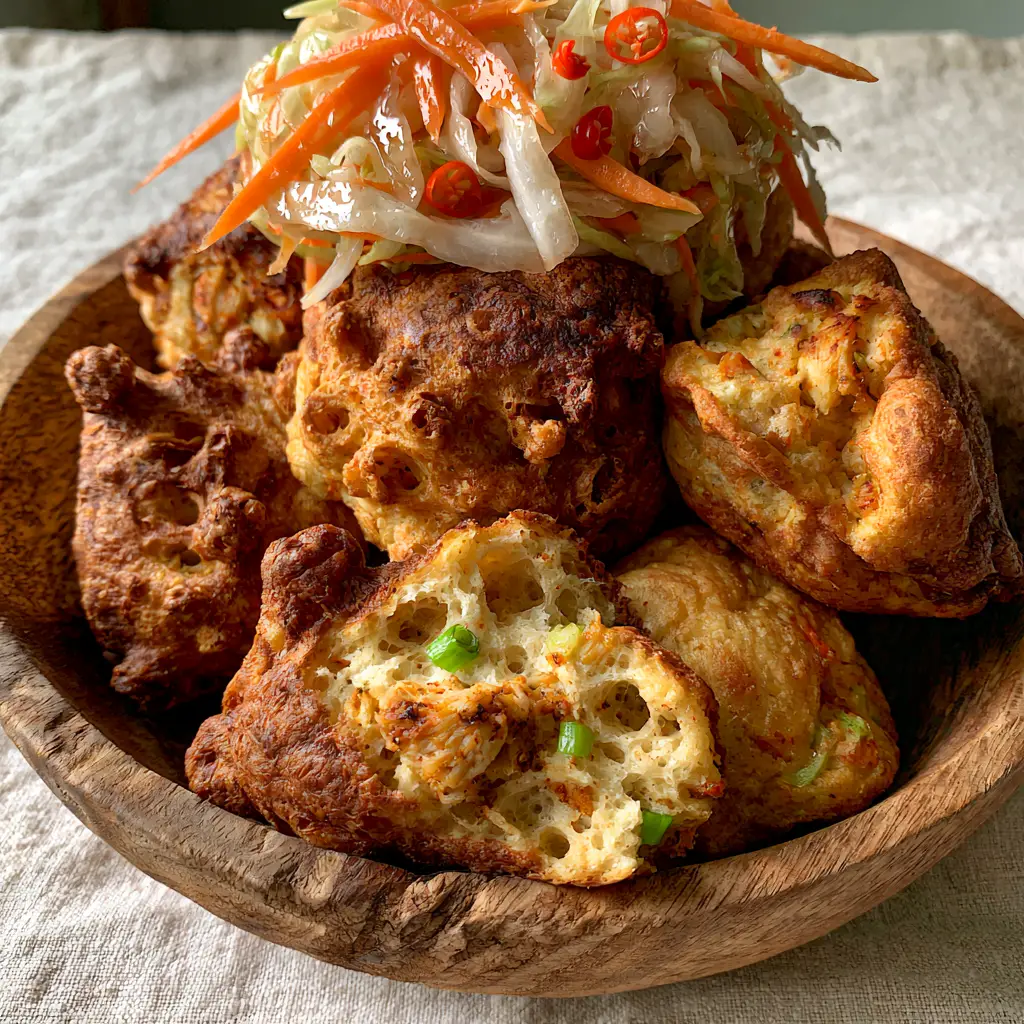
Haitian chicken fritters, known locally as Marinad, are the ultimate Caribbean soul food, offering a sensory journey through the vibrant streets of Port-au-Prince. These aren’t your average heavy fritters; they are characterized by an incredibly airy, porous interior and a craggy, golden-brown crust that shatters upon impact. Whether served as a street-side snack or a festive appetizer, these savory morsels are a masterclass in texture and spice.
The magic of an authentic Marinad lies in the contrast between the seasoned, finely shredded chicken and the light-as-air batter, all topped with the sharp, acidic bite of Pikliz. In this guide, we will walk you through the scientific steps to achieve that specific “nooks and crannies” texture seen in professional Haitian kitchens. Get ready to transform humble ingredients into a steaming, flavorful heap of Caribbean excellence.
What Makes These Haitian Chicken Fritters So Addictive?
- Airy Porous Interior: Unlike dense corn fritters, these feature a honeycomb-like structure that traps steam and flavor.
- Craggy Golden Crust: Deep-fried to a rich mahogany, the exterior provides a satisfying crunch in every handheld bite.
- Seasoned Protein Core: Every fritter is packed with finely shredded chicken infused with traditional Haitian aromatics.
- The Pikliz Punch: Served with vinegar-soaked cabbage and scotch bonnets to cut through the richness of the fry.
Essential Elements for the Perfect Marinad Batter
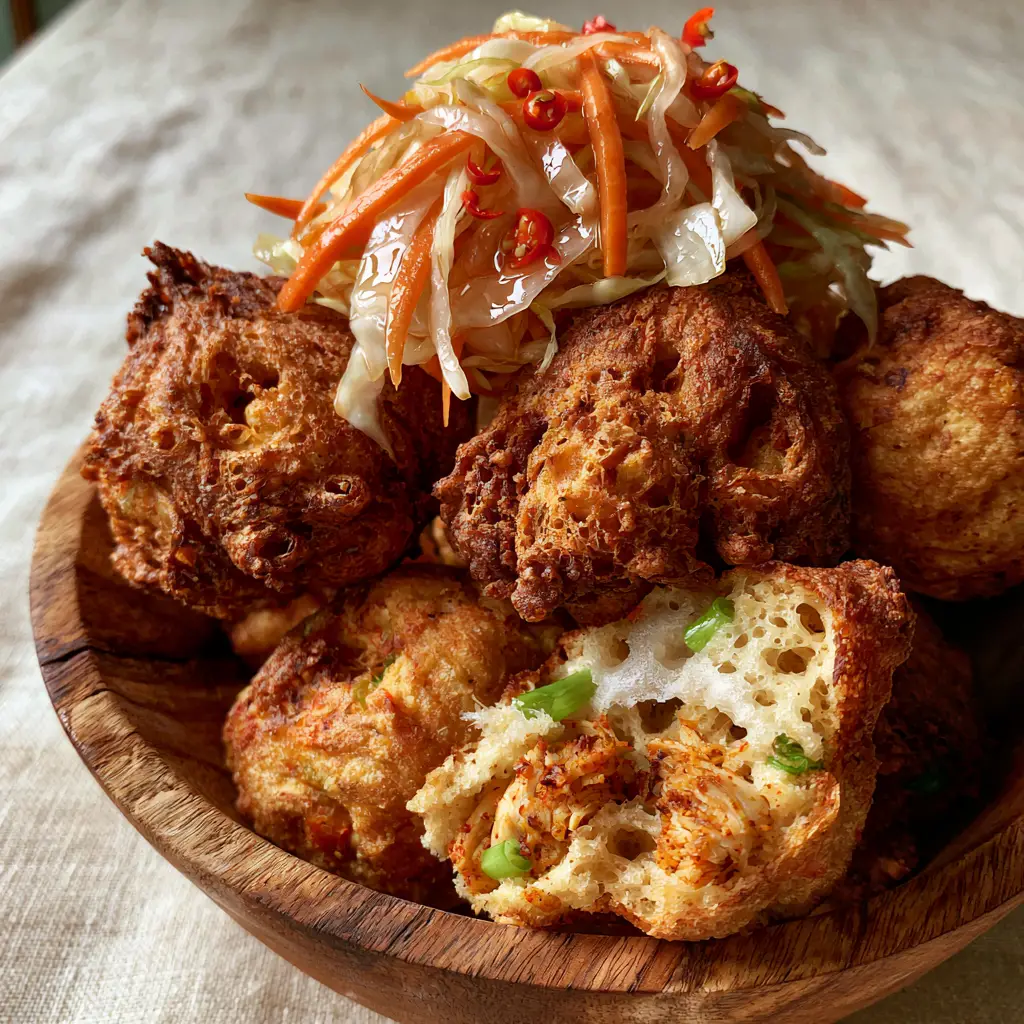
To achieve the visual recipe blueprint of a porous interior, we must focus on the leavening agents and the consistency of the batter. The shredded chicken must be dry enough not to weigh down the air bubbles, while the scotch bonnets provide a slow-burn heat that defines the dish.
All-Purpose Flour: 2 cups (250g) provides the structural foundation for the fritter while allowing for a light, crisp finish. It acts as the canvas for the bold spices to follow.
Baking Powder: 1 tbsp (12g) is the “invisible” powerhouse that creates the airy, porous interior described in our visual blueprint. It reacts with the heat to expand the batter rapidly.
Seasoned Shredded Chicken: 1 cup (150g) of pre-cooked chicken breast or thigh, finely shredded until it looks like threads. This ensures even distribution so every bite has a savory protein hit.
Green Scallions: 1/2 cup (50g) of finely sliced rounds provides a bright, oniony contrast to the deep-fried dough. You should see these green flecks clearly when the fritter is broken open.
Scotch Bonnet Peppers: 1 to 2 peppers, minced extremely fine (remove seeds for less heat). These are non-negotiable for authentic Haitian heat and visual red flecks.
Foundational Liquid: 1.5 cups (360ml) of room-temperature water or chicken stock. This hydrates the flour to create a thick, droppable batter that holds its shape in the oil.
The Pikliz Topping: A mix of white cabbage, julienned carrots, and vinegar-soaked peppercorns. This provides the glistening, translucent nest that sits atop the golden fritters.
Kitchen Tools for Forensic Culinary Accuracy
Achieving a handheld smartphone-quality photo result requires the right heat management. A heavy-bottomed Dutch oven or a cast-iron skillet is ideal for maintaining a steady oil temperature of 350°F (175°C).
You will also need a fine-mesh spider strainer to lift the fritters out, allowing the oil to drain properly so the exterior remains ultra-crispy. A digital thermometer is your best friend here; if the oil is too cool, the fritters will be greasy; if it is too hot, the outside will burn before the interior becomes fluffy.
Step-by-Step Guide to Crispy Haitian Excellence
1. Preparing the Seasoned Chicken Thread
Start by poaching or roasting a chicken breast until it reaches an internal temperature of 165°F (74°C). Once cooled, use two forks to shred the meat into the finest possible threads, ensuring there are no large chunks to disrupt the batter’s rise. Season the chicken with a pinch of salt and a dash of lime juice to brighten the flavors.
2. Crafting the Airy Batter Base
In a large mixing bowl, whisk together your flour, baking powder, and a teaspoon of salt. Slowly stream in your liquid while whisking constantly until a thick, smooth paste forms—think of a thick pancake batter. Fold in the shredded chicken, sliced scallions, minced scotch bonnets, and a handful of fresh parsley to ensure the green flecks are visible throughout.
3. The Fermentation Rest
Allow the batter to sit for at least 20 minutes at room temperature. This rest period allows the gluten to relax and the baking powder to begin its initial reaction, which is the secret to getting that steaming, porous interior. You will notice small bubbles forming on the surface; this is a sign of success.
4. Frying for the Craggy Exterior
Heat 3 inches (7.5cm) of neutral oil to 350°F (175°C). Using a tablespoon, carefully drop dollops of batter into the hot oil. Do not overcrowd the pan. Watch as the fritters puff up and develop small nooks and crannies. Fry for 3-4 minutes per side until they reach a rich, deep golden-brown hue.
5. Assembling the Pikliz Nest
While the fritters drain on a wire rack, toss your shredded white cabbage and julienned orange carrots with white vinegar, lime juice, and a few vinegar-soaked peppercorns. The cabbage should become slightly translucent and glistening, creating a vibrant contrast to the rustic brown fritters.
Expert Tips for Success
- Check the Oil: If you don’t have a thermometer, drop a tiny bit of batter in; it should sizzle and float immediately.
- Batter Consistency: If the batter is too thin, the fritters will be flat; add a tablespoon of flour at a time until it holds its shape on a spoon.
- Freshness Matters: Use fresh scotch bonnets rather than dried flakes to get the authentic aroma and bright red visual cues.
- Avoid Over-mixing: Once you add the flour to the liquid, mix just until combined to keep the texture fluffy rather than chewy.
Storage, Reheating & Freezing
Haitian chicken fritters are best enjoyed immediately while the steam is still trapped inside. However, you can store leftovers in an airtight container in the refrigerator for up to 3 days. To restore the “ultra-crispy” exterior, avoid the microwave; instead, reheat them in an air fryer or oven at 375°F (190°C) for 5 minutes.
For long-term storage, you can freeze the fried fritters for up to a month. Reheat directly from frozen in a hot oven until the center is steaming. Note that the Pikliz should always be stored separately in a glass jar to maintain its crunch and acidity.
What to Serve With Haitian Marinad
These fritters are incredibly versatile. In a traditional Haitian setting, they are part of a larger “Fritay” platter. You can pair them with chicken jollof rice for a cross-cultural West African and Caribbean feast that highlights shared spice profiles.
If you are looking for a lighter accompaniment, a refreshing healthy chicken salad provides a cool contrast to the deep-fried heat. For those who love bold, global flavors, these fritters also sit beautifully alongside a bowl of chicken muamba, where the palm oil richness complements the crispy batter. If you prefer a handheld spread, serve these alongside grilled chicken tacos for a fusion appetizer night.
Frequently Asked Questions
Absolutely! As long as the chicken is finely shredded into threads, rotisserie chicken works beautifully and adds a pre-seasoned depth to the batter.
While you can eat it immediately, Pikliz is best after sitting for at least 30 minutes. This allows the vinegar to soften the cabbage and the peppers to infuse the brine.
Habanero peppers are the closest substitute in terms of heat and fruity flavor. If you prefer a milder fritter, you can use Fresno chilies or omit the seeds entirely.
The secret lies in the combination of baking powder and a high-moisture batter. Letting the batter rest for 20 minutes allows the leavening agent to create small air pockets that expand rapidly when they hit the hot oil.
This usually happens if the frying oil isn’t hot enough. If the oil is below 350°F (175°C), the batter absorbs the oil instead of searing instantly. Always use a thermometer to ensure consistent heat.
The Ultimate Authentic Haitian Chicken Fritters Recipe
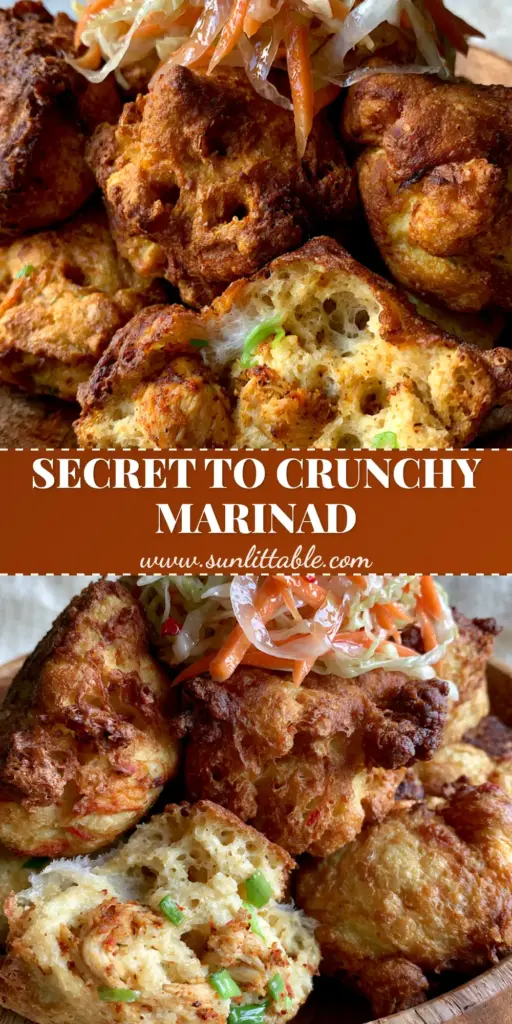
Haitian Chicken Fritters: Authentic Crispy Marinad Recipe
Ingredients
Equipment
Method
- Finely shred pre-cooked chicken until it forms thin threads. Set aside.
- Whisk flour, baking powder, and salt in a large bowl.
- Gradually add liquid to dry ingredients, whisking until a thick batter forms. Fold in chicken, scallions, and scotch bonnet.
- Drop tablespoon-sized amounts of batter into 350°F (175°C) oil. Fry until deep golden-brown and crispy, about 3-4 minutes per side.
- Drain on a wire rack and top with fresh Pikliz (vinegar-soaked cabbage and carrots).
Notes
Oil temperature is critical; use a thermometer to maintain 350°F.
Bring the Taste of Haiti to Your Kitchen
Making Haitian chicken fritters is more than just cooking; it’s an exploration of texture and heritage. The combination of the steaming, fluffy interior and the sharp, spicy Pikliz creates a balanced bite that is truly addictive. Don’t forget to break one open to admire the porous structure before you dive in!
If you enjoyed this recipe, please leave a comment below and share your results! We love seeing your culinary creations. Be sure to follow us on Pinterest for more authentic global recipes and visual cooking inspiration.