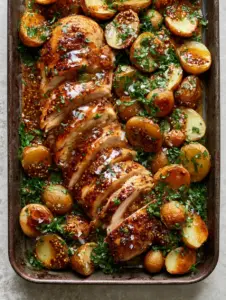
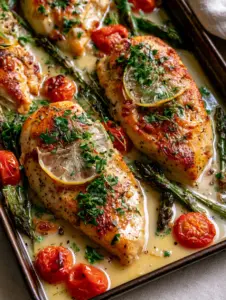
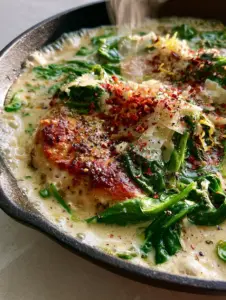
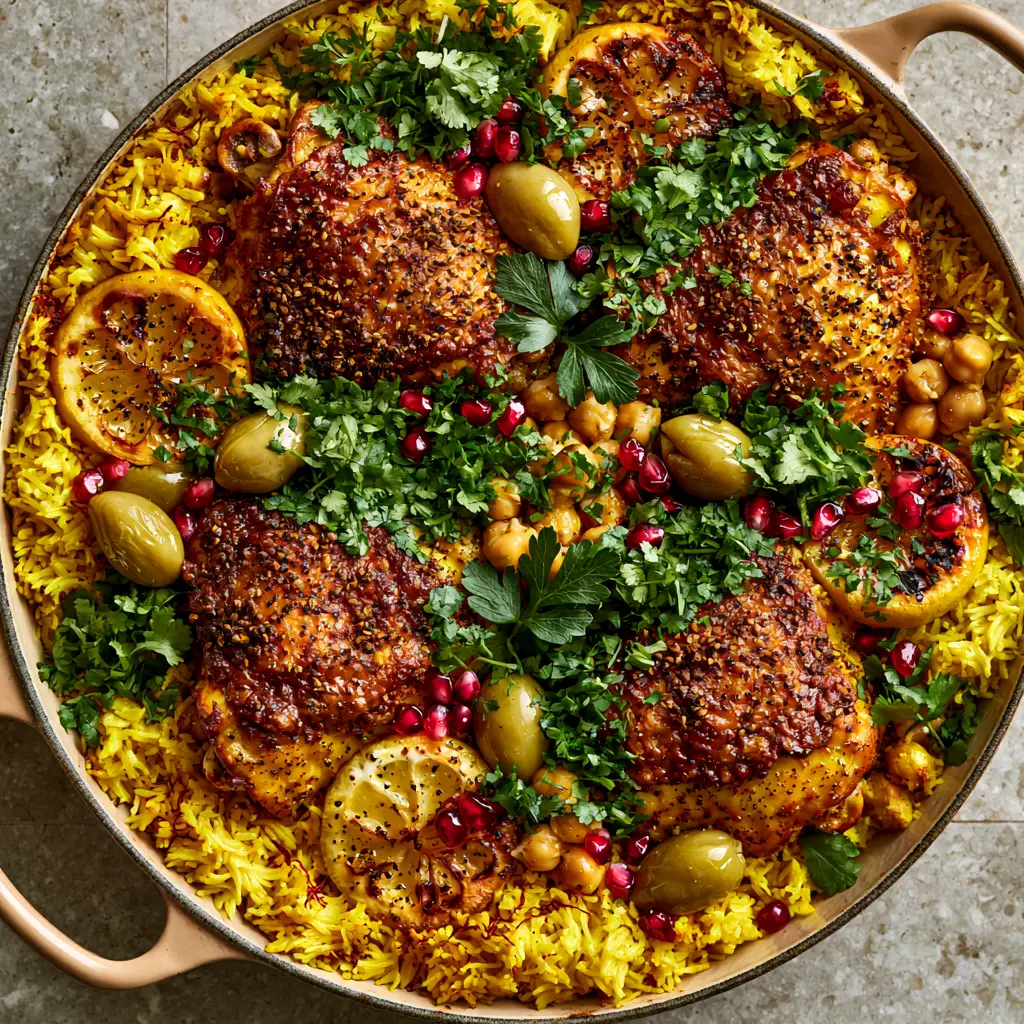
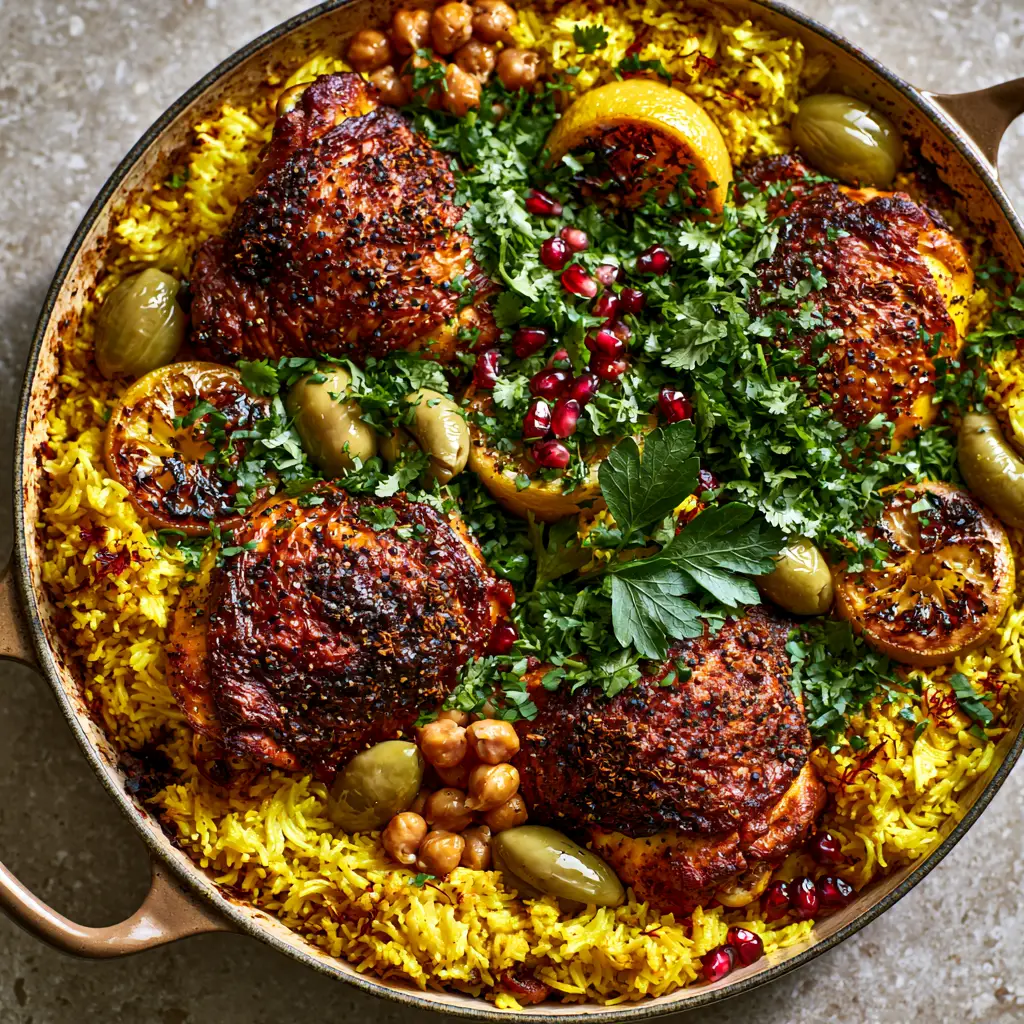
Moroccan chicken is a vibrant, soul-warming masterpiece that brings the bustling flavors of a Marrakesh market straight to your kitchen table. This one-pot wonder features bone-in, skin-on chicken thighs seared to a deep, bronze-colored crisp, nestled atop a fragrant bed of long-grain basmati rice stained a brilliant gold by turmeric and saffron threads. The visual contrast of ruby-red pomegranate seeds against bright green herbs and plump Castelvetrano olives makes this dish as much a feast for the eyes as it is for the palate.
Cooking this dish in a rustic enameled cast iron skillet allows the heat to distribute evenly, ensuring every grain of rice absorbs the savory juices from the chicken. Whether you are looking for a show-stopping weekend dinner or a sophisticated take on a Moroccan chicken and rice meal prep, this recipe delivers professional results with the ease of home-style cooking. The gentle highlights of natural daylight on the juicy chicken skin, as seen in our hero shots, prove that simple, high-quality ingredients can create something truly extraordinary.
Why You Will Love This Vibrant Skillet Dinner
- Textural Harmony: You get the ultimate contrast between the deeply seared, crispy chicken skin and the fluffy, tender grains of long-grain basmati rice.
- Visual Brilliance: The combination of golden-yellow rice, charred citrus, and jewel-like pomegranate seeds creates a professional “hero shot” presentation every time.
- One-Pan Efficiency: By using a single enameled skillet, you build layers of flavor—from the chicken fond to the toasted rice—with minimal cleanup required.
- Complex Aromatics: The interplay of earthy turmeric, floral saffron, and pungent cumin creates a depth of flavor that mimics authentic North African cuisine.
The Anatomy of Moroccan Chicken Ingredients
To achieve the specific visual and flavor profile of this Moroccan chicken, we need a mix of protein, aromatics, and vibrant garnishes. Here is what you will need to gather.
Bone-In, Skin-On Chicken Thighs: Four large thighs (approx. 2 lbs / 900g) are essential for that juicy interior and the crispy, bronze-colored exterior that defines the dish. The bone adds significant depth to the rice as it simmers.
Long-Grain Basmati Rice: Use 1.5 cups (285g) of high-quality basmati rice. Its ability to stay distinct and fluffy while absorbing the vibrant turmeric stain is crucial for the “golden-yellow” result described in our blueprint.
Turmeric and Saffron: 1 tsp (3g) of ground turmeric provides the base color, while a pinch of crushed saffron threads adds that unmistakable floral aroma and luxury finish. These are the “invisible” workhorses of the dish’s color profile.
Castelvetrano Olives: You will need 1/2 cup (75g) of these plump, buttery green olives. Their mild saltiness perfectly balances the sweet notes of the pomegranate and the earthy spices.
Chickpeas (Garbanzo Beans): 1 can (15 oz / 425g), drained and rinsed. These add a creamy, softened texture and a boost of plant-based protein that clusters beautifully among the rice grains.
Lemon Rounds: One large lemon, sliced into thin rounds. When seared in the chicken fat, these become charred and slightly caramelized, providing a concentrated citrus punch.
Aromatic Base: 1 medium yellow onion, finely diced, and 3 cloves of garlic, minced. These ingredients provide the savory backbone that supports the more aggressive spices like cumin and black pepper.
Garnishes for Contrast: 1/4 cup (10g) fresh cilantro, 1/4 cup (10g) flat-leaf parsley, 2 tbsp (30g) pomegranate seeds, and 2 tbsp (15g) toasted slivered almonds. These add the final “pop of color” and essential crunch.
Liquid Gold: 2.5 cups (600ml) of low-sodium chicken broth. This is the medium that transforms dry rice into a fluffy, flavorful bed for the protein.
Essential Equipment for a Perfect Skillet Result
To replicate the rustic enameled cast iron skillet look, a 12-inch (30cm) deep skillet is mandatory. The heavy base ensures the chicken sears without sticking, and the tight-fitting lid is necessary to steam the basmati rice to perfection. If you don’t have enameled cast iron, a heavy stainless steel sauté pan will work, though you may need a bit more oil to prevent the skin from tearing.
Mastering the Sear: Step-by-Step Instructions
Phase 1: Preparing the Chicken and Aromatics
Pat the chicken thighs extremely dry with paper towels. Season the skin side generously with kosher salt, freshly cracked black pepper, and a dusting of ground cumin. This ensures the skin becomes “deeply seared” rather than just browned.
Heat 2 tbsp (30ml) of extra virgin olive oil in your skillet over medium-high heat. Place the chicken skin-side down. Listen for a vigorous sizzle; this is the sound of moisture evaporating and the Maillard reaction beginning. Sear for 6-8 minutes until the skin is a deep, bronze-colored crust.
Phase 2: Charring the Citrus and Building Flavor
Remove the chicken (it won’t be fully cooked yet) and set aside. In the remaining chicken fat, add the lemon slices. Sear them for 1-2 minutes per side until they show visible char marks. Remove and set aside with the chicken.
Reduce heat to medium. Add the diced onion and cook until translucent. Stir in the garlic, turmeric, and a bit more cumin, toasted until fragrant—usually about 60 seconds. You are looking for a vibrant orange-yellow paste forming in the pan.
Phase 3: The Rice and Simmer
Add the dry basmati rice to the skillet. Stir constantly for 2 minutes to toast the grains; they should smell slightly nutty and be well-coated in the spiced oil. Pour in the chicken broth and add the crushed saffron. Use a wooden spoon to scrape up any browned bits (the fond) from the bottom.
Stir in the softened chickpeas and Castelvetrano olives. Place the chicken thighs back into the skillet, skin-side up, ensuring the skin remains above the liquid line to stay crispy. Scatter the charred lemon rounds around the chicken.
Phase 4: The Final Steam and Garnish
Bring the liquid to a simmer, then cover the skillet with a tight-fitting lid. Reduce heat to low and cook for 18-20 minutes. Do not lift the lid! The steam is what makes the rice “fluffy” and “long-grain.”
Remove from heat and let sit, covered, for 5 minutes. Fluff the rice gently with a fork around the chicken. Finish with a heavy scattering of chopped cilantro, parsley, toasted almonds, and ruby-red pomegranate seeds for that signature hero shot look.
Expert Tips for the Ultimate Moroccan Chicken
- The Dry Skin Secret: If time allows, salt the chicken and leave it uncovered in the fridge for an hour before cooking. This removes surface moisture for a superior, window-pane-shattering crunch.
- Rice Ratio: Basmati can be finicky. Ensure you are using a 1:1.5 or 1:1.75 ratio of rice to liquid to avoid mushy grains. The chickpeas also release a small amount of moisture.
- Saffron Activation: To get the most “vibrant golden-yellow” color, bloom your saffron in a tablespoon of warm water for 5 minutes before adding it to the broth.
- Internal Temperature: Use a meat thermometer to ensure the chicken reaches 165°F (74°C). Thighs are forgiving and often taste better when cooked slightly higher, around 175°F (79°C).
Serving Suggestions and Flavor Pairings
This Moroccan chicken is a complete meal on its own, but it pairs beautifully with a side of cooling yogurt sauce or a crisp cucumber salad. If you enjoy the aromatic profile of this dish, you might also love our spiced chicken skewers for your next outdoor gathering.
For those who prefer a different flavor profile but love the one-pan method, consider trying a zesty marinade for a similar rice-based dish. If you find yourself with extra chicken, a refreshing avocado chicken salad makes for an excellent lunch the following day.
Storage and Reheating Advice
Store leftovers in an airtight container in the refrigerator for up to 3 days. The rice will actually continue to absorb flavors, making day-two Moroccan chicken almost more delicious than day-one. To reheat, add a splash of water or broth to the rice and microwave covered, or heat in a skillet over low heat to try and crisp the chicken skin back up. Freezing is not recommended for the rice, as the texture of basmati can become grainy upon thawing.
Frequently Asked Questions
Yes, but be careful not to overcook them. Breasts lack the fat and bone of thighs, so they may dry out during the 20-minute rice steaming process. Reduce the initial sear time for best results.
Charring the lemons caramelizes their natural sugars and reduces their bitterness, creating a more complex citrus flavor that melds perfectly with the savory chicken.
The key is to keep the skin above the liquid line while the rice simmers and to ensure a very hard sear at the beginning of the cooking process.
Basmati is preferred for its long, separate grains. You can use Jasmine rice, but it may result in a slightly stickier texture. Adjust liquid slightly as needed.
While saffron adds a unique floral aroma, you can omit it. The turmeric will still provide the vibrant golden-yellow color for the rice.
Authentic Moroccan Chicken and Rice Recipe
Moroccan Chicken with Golden Turmeric Rice and Charred Lemon
Ingredients
Equipment
Method
- Pat chicken thighs dry. Season with salt, pepper, and cumin.
- In a 12-inch skillet, heat oil. Sear chicken skin-side down for 8 mins until bronze-colored and crispy. Flip and sear for 2 mins, then remove.
- Sear lemon slices in the same pan for 1 min per side until charred. Remove.
- Add onions and garlic to the skillet, cooking until soft. Stir in rice and turmeric to toast for 2 mins.
- Pour in chicken broth and saffron, scraping the bottom of the pan to release flavor.
- Add olives and chickpeas. Return chicken and lemons to the pan. Cover and simmer on low for 20 mins.
- Let rest for 5 mins off heat. Fluff rice and top with fresh herbs, pomegranate seeds, and toasted almonds.
Notes
Tip 2. Do not peek while the rice is steaming; the trapped steam is essential for the long-grain texture.
Closing Thoughts on this Skillet Feast
This Moroccan chicken recipe is a testament to the power of spices and technique. By focusing on a deep sear and the aromatic infusion of saffron and turmeric, you transform basic chicken and rice into a culinary journey. We hope this dish becomes a staple in your home! If you enjoyed this recipe, please leave a comment below and share your photos with us on Pinterest.